Friendsgiving for Everyone
Creating a Place at the Table
“Go out to the highways and hedges and compel people to come in, that my house may be filled.”
— Luke 14:23 (ESV)
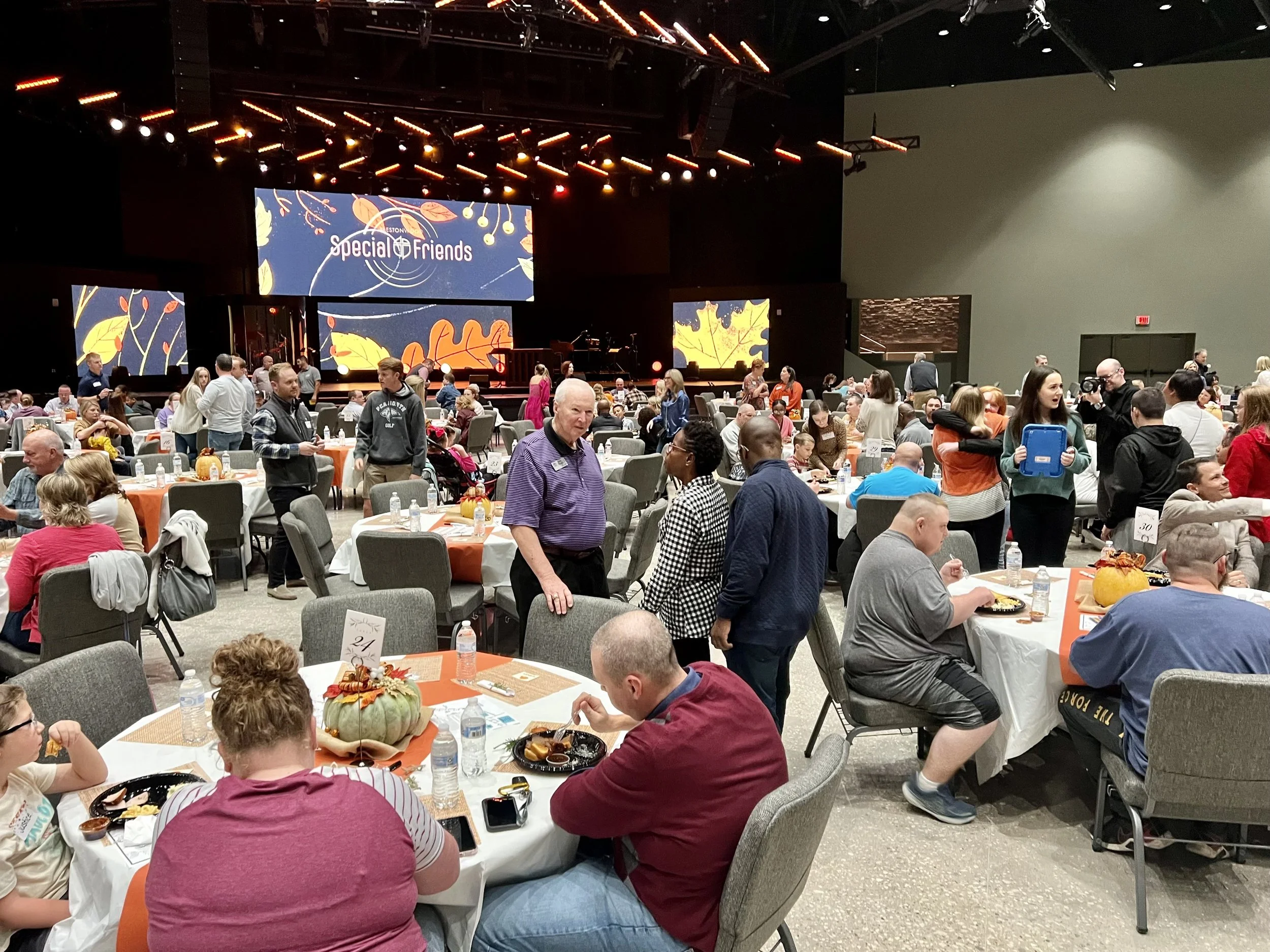
Friendsgiving is one of those events that really doesn’t need to be complicated. It’s about bringing people together, sharing a meal, laughing, having some fun, and taking time to be thankful.
But for families impacted by disability, something as simple as going out for a nice meal isn’t always so simple.
Maybe their loved one has a hard time sitting through an entire meal. Maybe they need to get up and move around, make noises, eat only a few specific foods, or need extra help during the meal. And unfortunately, many families know what it feels like to get the looks or stares from other people—or to simply feel like they aren’t welcome.
After a while, sometimes it just feels easier to stay home.
That is one of the reasons I love the idea of hosting a Friendsgiving through your disability ministry. We have the opportunity to create a place where families don’t have to worry about any of that. Nobody cares if someone needs to walk around, brings their own food, makes a little extra noise, or needs to leave the table for a break.
They can just come, eat, laugh, spend time together, and be a family. And honestly, that may be one of the greatest gifts we can give them—a place where they know they are wanted and completely welcome.
Work With What You Have
You don’t need a huge budget, a giant ministry, or an elaborate setup to host a great Friendsgiving.
If you’re a smaller church, embrace that. One big table may be perfect. Have families and volunteers bring food, put a few activities on the table, and enjoy being together. There’s something really special about a smaller group where everyone gets a chance to visit and connect.
If you have a larger ministry, you may need several tables, more volunteers, and a little more planning. Consider breaking a large group into smaller tables so it still feels personal. Have volunteers sit with families instead of standing around the edges of the room.
The goal isn’t to make your Friendsgiving big or impressive. The goal is to make people feel welcome.
Pick a Theme and Have Fun With It
For the past several years, we’ve themed our Friendsgiving, and it has been a huge success!
Friendsgiving doesn’t have to look like a traditional Thanksgiving dinner. Giving the event a fun theme makes it something our friends and families look forward to, and it gives you an easy direction for decorations, music, activities, and even what your volunteers wear.
We’ve done themes like 70s, Western, Disco, Neon, and Superhero.
You can go as big or as simple as you want. Decorate the whole room, or just add a few things that bring the theme to life. Encourage everyone to dress up if they want to—but never make it required.
We also love giving everyone a small trinket that goes along with the theme. It doesn’t have to be expensive. Think glow bracelets for Neon, bandanas for Western, superhero masks or wristbands, or something fun from a 70s or Disco theme.
Those little things make the night feel special, and our friends get something they can take home to remember it. And have fun with it!
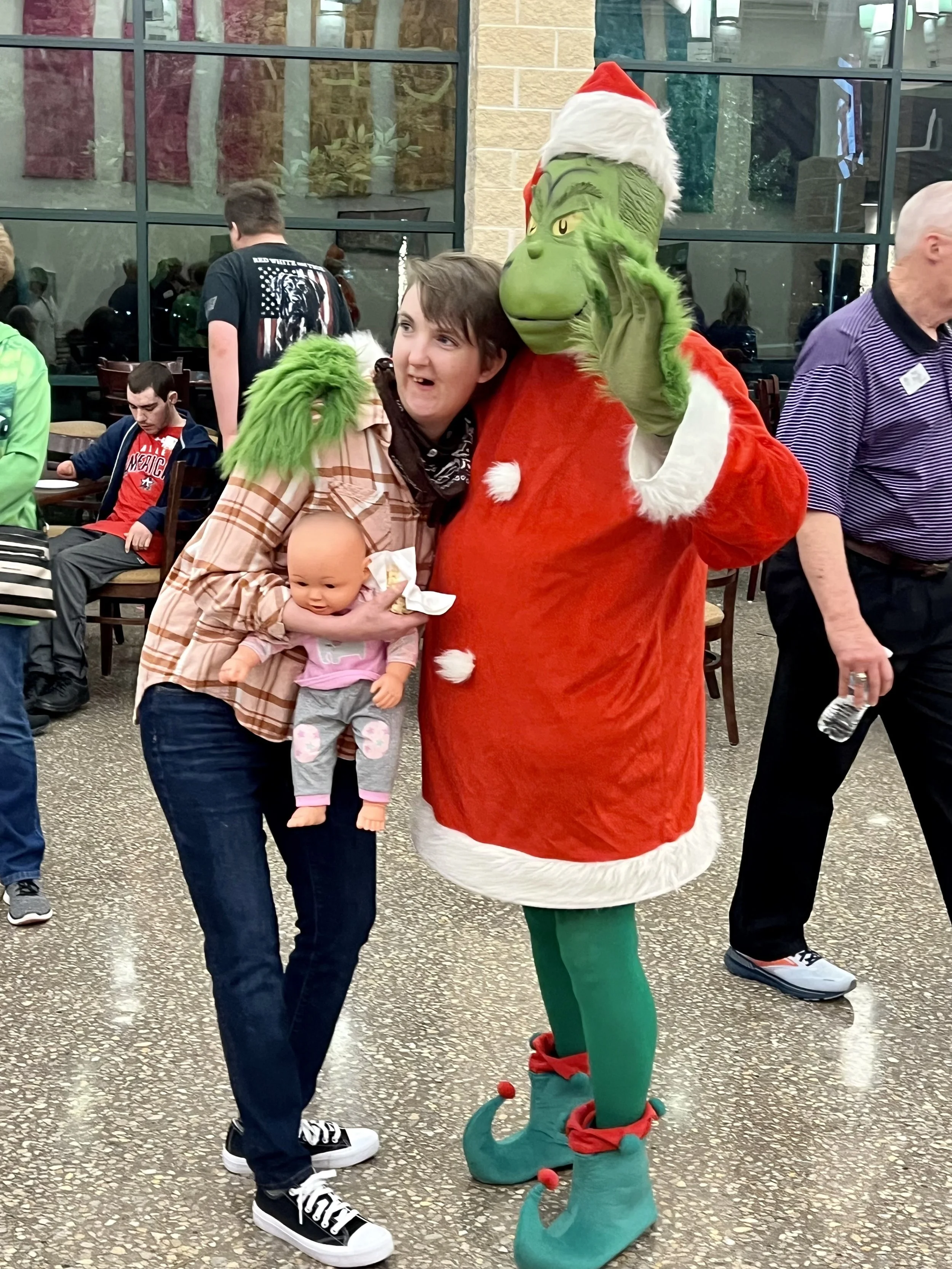
This is one of those events where your staff and volunteers can be a little silly too. The more they get into the theme, the more fun everyone has.
Think About the Food
We all know food can be a big deal in disability ministry!
Not everyone is going to eat turkey, stuffing, green bean casserole, and pumpkin pie—and that is perfectly okay.
Have some familiar foods available for those who are more selective or have sensory preferences. Ask about allergies and dietary needs ahead of time when possible, and label foods so families know what is being served.
And if someone needs to bring their own meal, let them! Friendsgiving shouldn’t be about getting everyone to eat the same thing. It’s about getting everyone around the same table.
Give People Choices
Not everyone wants to sit around a table and talk for two hours.
Have a few simple things available for people to do. You could have coloring pages, a simple craft, Thanksgiving Bingo, a gratitude activity, music, games, or a fun photo area.
You don’t need ten different activities. A couple of good choices are plenty.
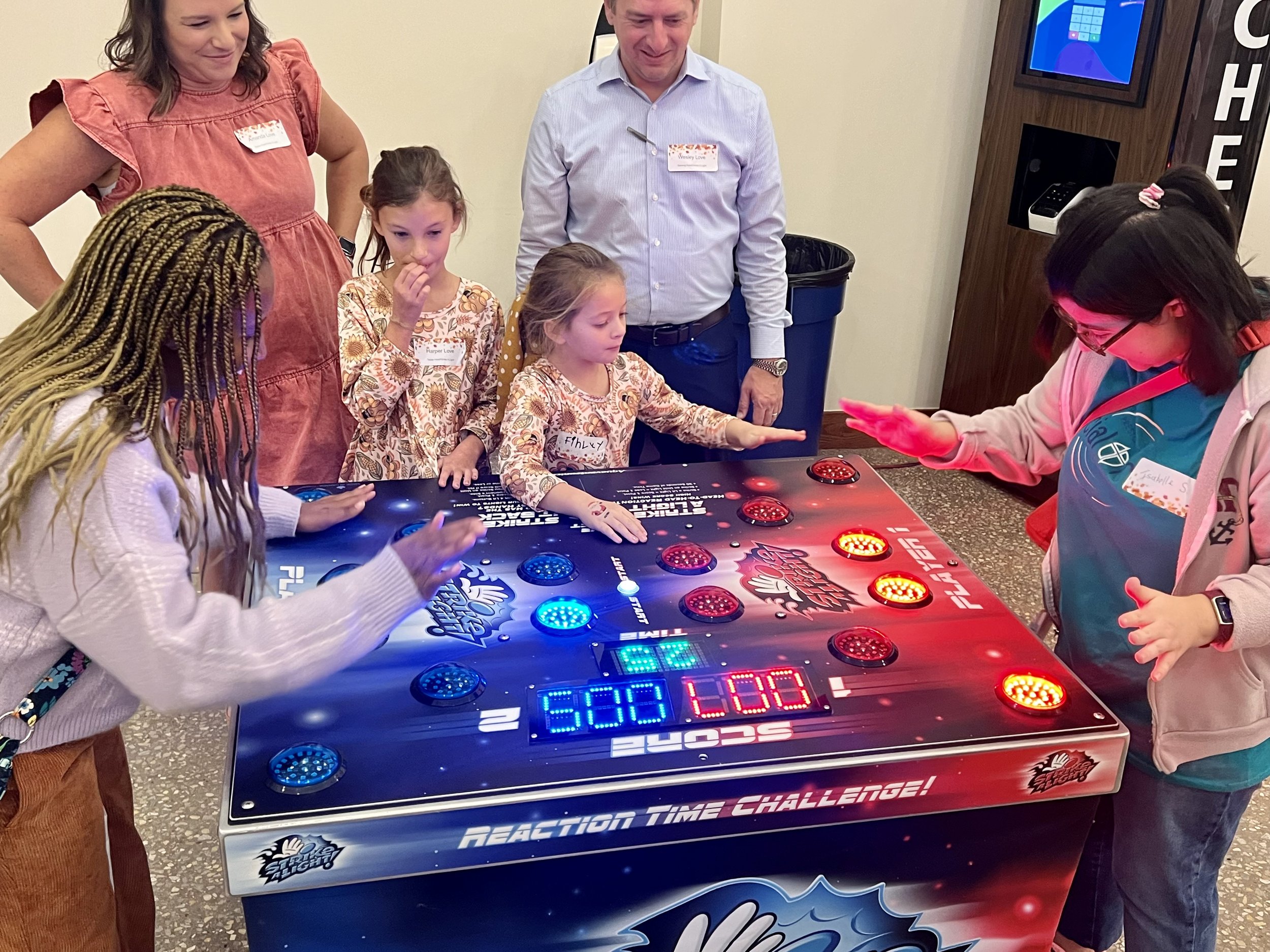
Some people will want to participate in everything. Someone else may want to sit on the side and watch. Another person may want to walk around the room and visit. That’s okay.
We don’t need everyone participating in exactly the same way for everyone to be included.
Think About the Environment
A room full of people gets loud FAST.
Now add music, people talking, chairs moving, dishes clanking, kids laughing, and everything else happening during a meal. For some of our friends, that can be a lot.
If you can, have a quieter area where someone can step away for a few minutes. It doesn’t need to be anything fancy. A separate room is great, but even a quieter corner with a couple of chairs can help.
Also think about lighting, decorations, and how crowded your room is. Sometimes moving a few tables farther apart or turning the music down makes a bigger difference than we realize.
Make Gratitude Part of the Celebration
It is Friendsgiving, after all!
Take some time to talk about the things we are thankful for and about God’s goodness.
But be careful about going around the table and putting everyone on the spot to answer a question in front of the whole group. Instead, give people different ways to participate.
Someone can write what they’re thankful for. They can draw a picture, choose a picture, tell a volunteer, use their AAC device, or simply listen. There isn’t one right way to participate.
You could even create a big gratitude wall and let everyone add something throughout the event. By the end of the night, you have a visual reminder of just how much there is to be thankful for.
Invite Your Church Family to Be Part of It
Friendsgiving is also a great opportunity to invite people from your church to serve alongside your disability ministry.
We allow church families to serve together at our Friendsgiving, and we divide volunteers into different teams and roles. There is truly a place for everyone to help.
Some may welcome guests as they arrive. Others can help decorate, serve food, refill drinks, lead games or activities, help with cleanup, or simply sit at a table and spend time with our friends and their families.
This is especially fun for families who want to serve together. Kids and teens can have a role too. They don’t have to know everything about disability ministry before they come—they just need to be willing to jump in, serve, and get to know people.
Be clear about jobs ahead of time so volunteers know where they are needed, but don’t make the night all about completing a task.
The most important thing they can do is spend time with people.
Sit down. Eat together. Talk. Laugh. Dance. Play the games. Get to know a family you may not have met before.
Friendsgiving gives our disability ministry families a night where they can feel completely welcomed, but it also gives the rest of our church family a chance to experience what makes this ministry so special.
And sometimes, the person who signs up thinking they are coming to serve ends up leaving just as blessed as the people they came to serve.
Keep It Simple
Your Friendsgiving does not need to be Pinterest-perfect.
The decorations don’t have to match. The food doesn’t have to be catered. You don’t need expensive centerpieces or a schedule packed with activities.
Use what you have. Eat together. Play a game. Laugh. Talk. Give thanks.
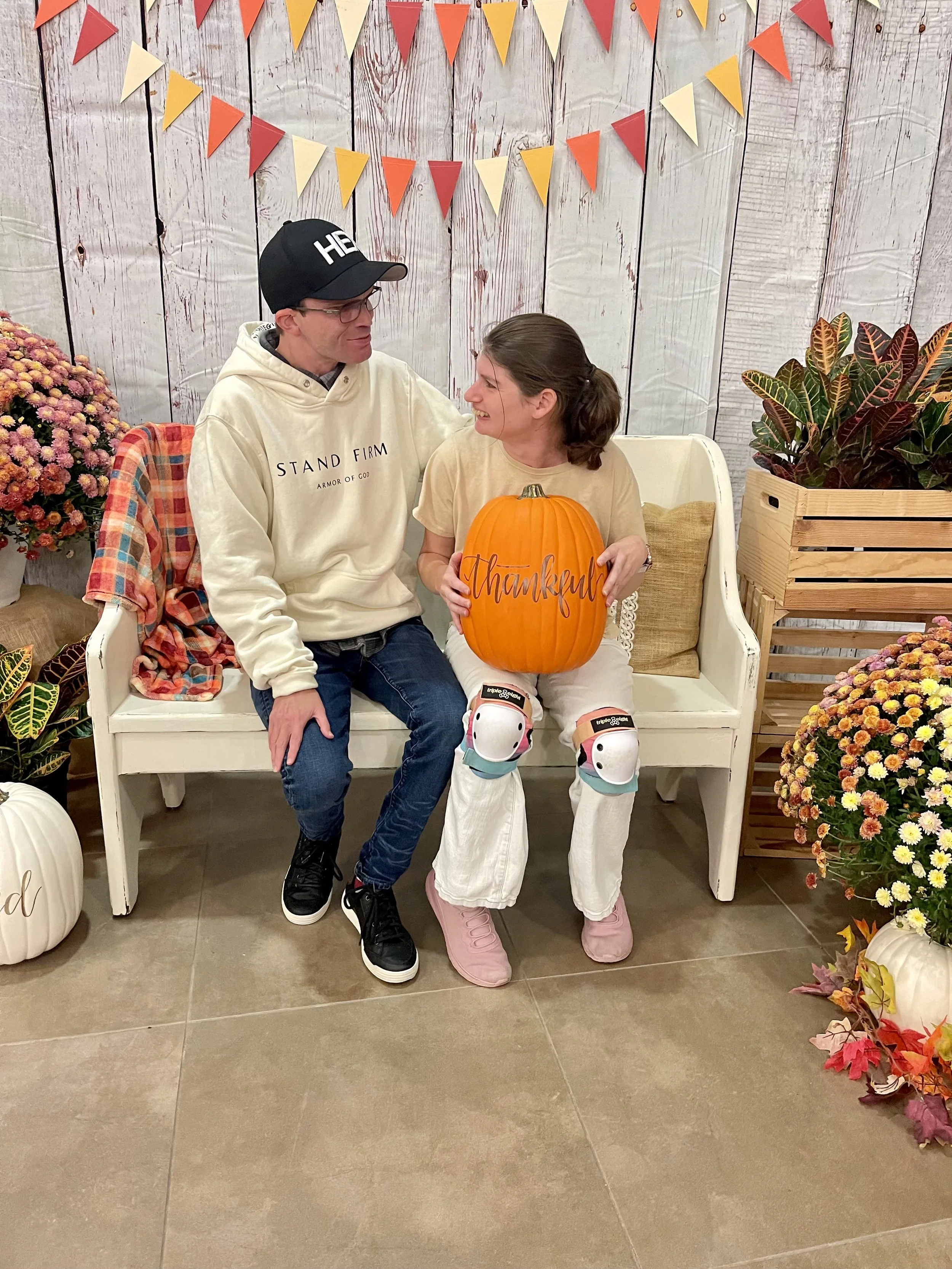
Most families probably won’t remember what your centerpieces looked like or whether you had the perfect Thanksgiving decorations.
But they will remember being able to enjoy a meal without worrying about the people at the next table staring. They’ll remember that their loved one was welcomed exactly as they are. They’ll remember getting to relax and enjoy time together.