An Introduction to Sensory Storytelling
What is sensory storytelling?
Multi-sensory storytelling is pairing sensory experiences with different parts of a Bible story to help students better engage with the story and become more active participants.
Why does it work?
Supports multiple learning styles
Makes abstract concepts more concrete
Makes the story more memorable
Multi-Sensory storytelling is a research-based educational practice for special education. We can take what we know works for teaching stories in the classroom and teach stories that are even more important- from the Bible!
What does it look like?
I love having a basket of objects for students to see and touch that relate to the Bible story. As we walk through the story, I'll pull out items one by one as we get to the part of the story that it relates to. It's important that you show excitement about the objects! Your excitement will rub off on your students.
Today, let's talk about some examples for sight/touch. Next week, we'll dive into sounds!
Sight/Touch
There are so many objects that can be used that are related to the Bible story that students can see and hold. Let them explore different textures and
Here are some of our favorite objects that are super versatile to use for sight/touch in multi-sensory storytelling for many different stories:
Peg Dolls
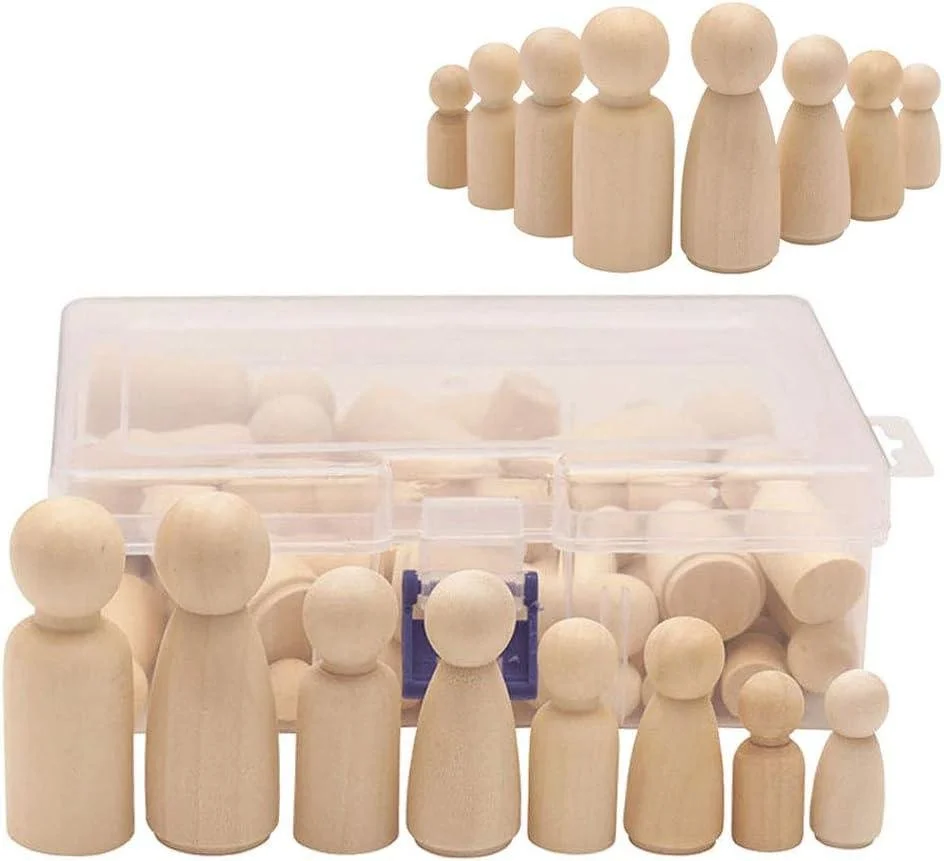
These are such an easy way to represent different characters in a story! You can have one or two to represent a specific person/people or have students make a “crowd” for feeding the 5,000 or for the Israelites crossing the Red Sea.
Make it stand out
Whatever it is, the way you tell your story online can make all the difference.
Play Silks/Scarves
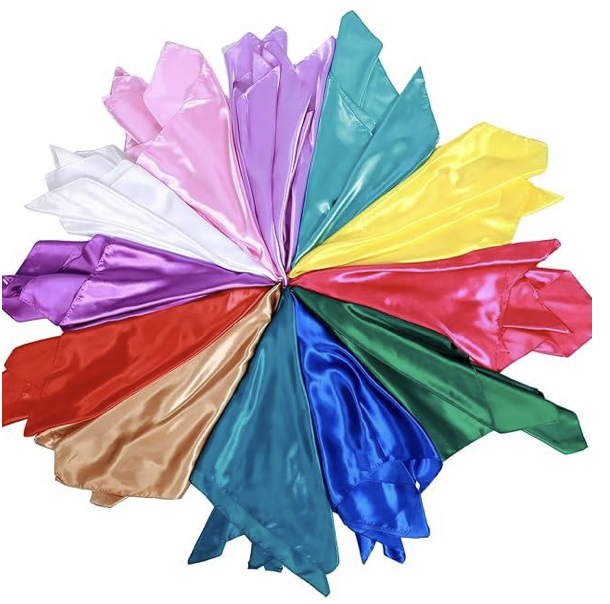
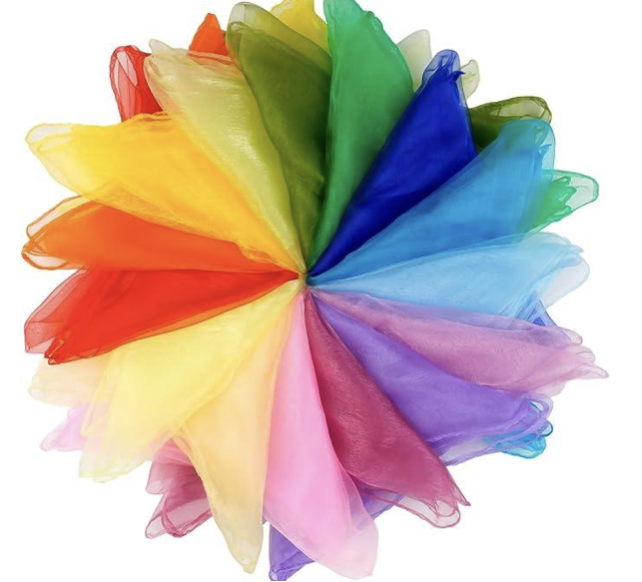
These are great for representing so many things - water for Jesus calming the storm, the sandy desert wilderness, the fire for Pentecost…and so much more!
Animal Figurines
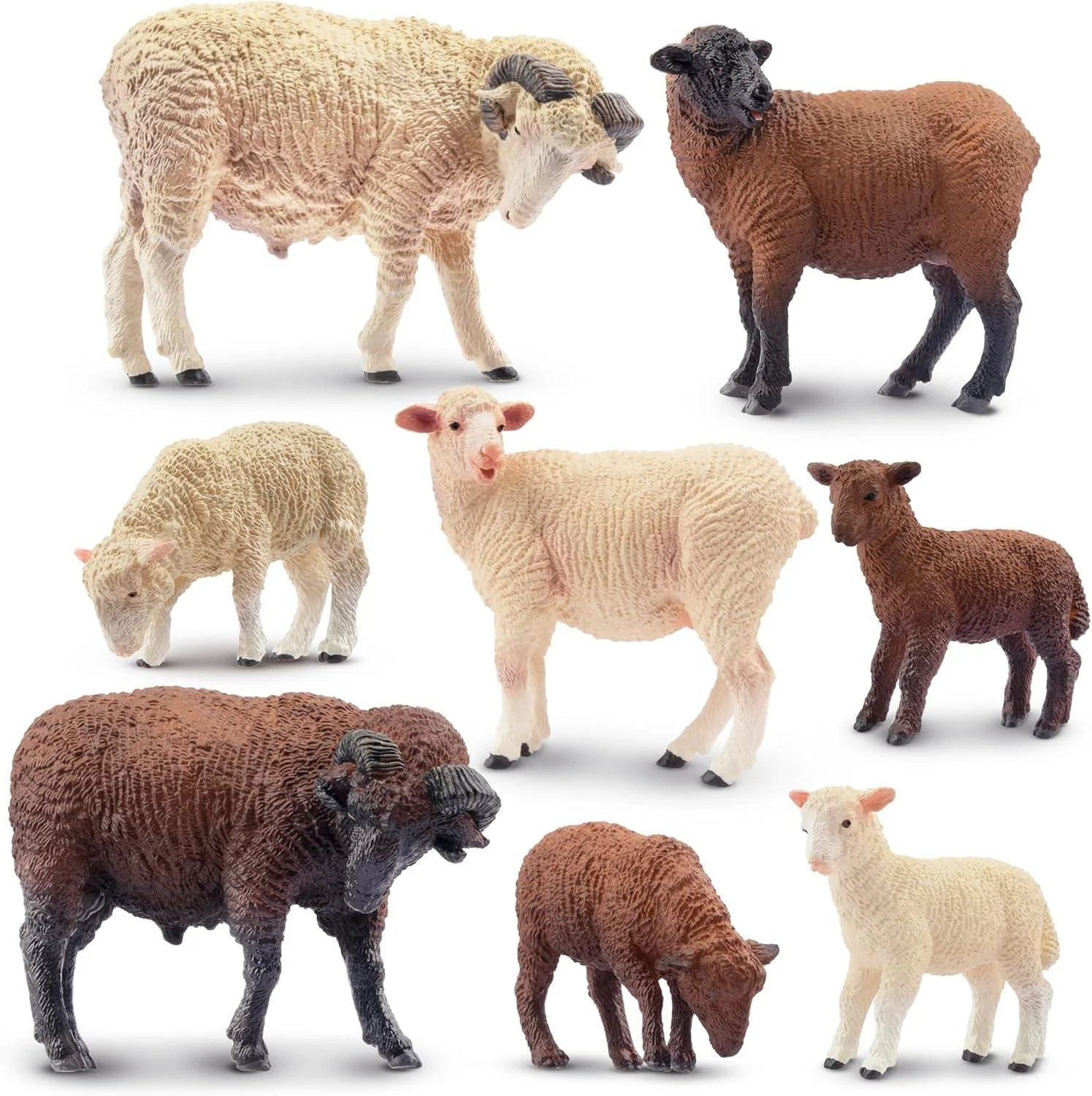
Many stories have animals in them! Students love holding playing with and holding little toy animals while you tell the story. I love realistic sets myself, and I like having lots of sheep for stories like the Good Shepherd, the lost sheep, or stories like Jacob taking care of Laban's livestock. I also like having camels, donkeys, goats, and fish.
Make it stand out
Whatever it is, the way you tell your story online can make all the difference.
Stuffed Heart

This is a fun way to talk about God's love and works great with so many stories!
Pass around the heart and let students squeeze it as they think about God's love for them.
Visual Supports/Photos
I love using real photos to help students understand concepts related to the day's story. Show a photo of a tomb as you talk about Jesus rising from the dead. Or when you talk about Jesus being in the Garden of Gethsemane, talk about all of the olive trees, showing pictures of what those trees looked like.
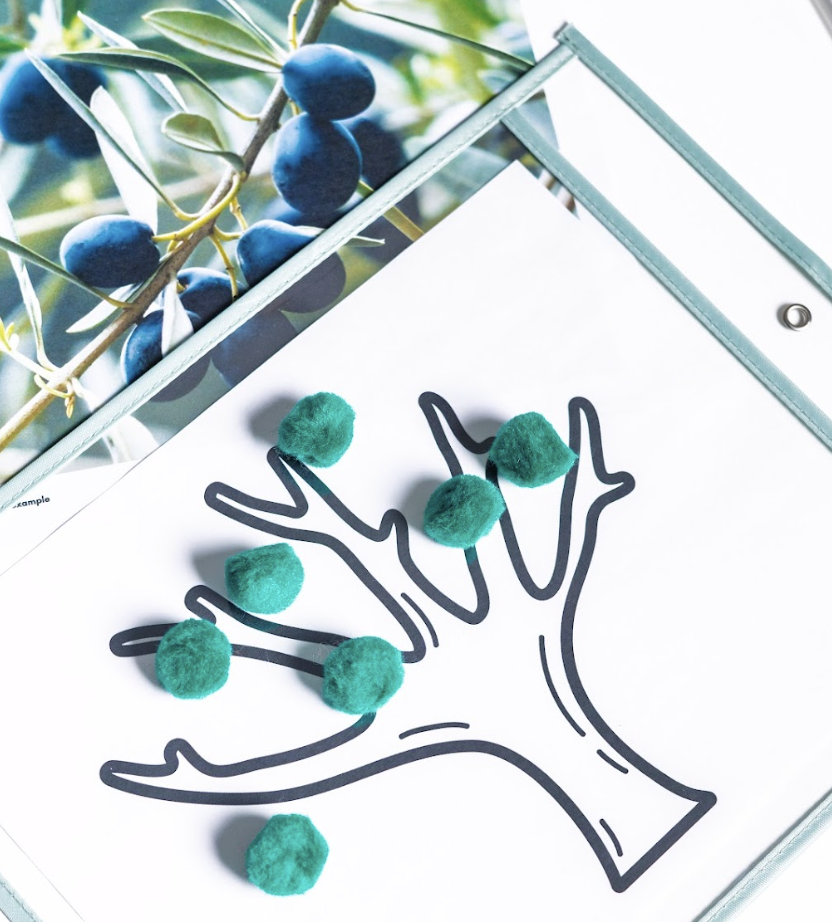
Real photos and additional visuals really help make stories come to life for students!
How does it work with Awe & Wonder's curriculum?
Each month, you'll find a list of recommended items to grab from around your church or home to help you tell the story. Our sensory storytelling chart matches each page of that week's adapted book. We'll give you suggestions for objects, sounds, movements, and more that relate to that page of the book.
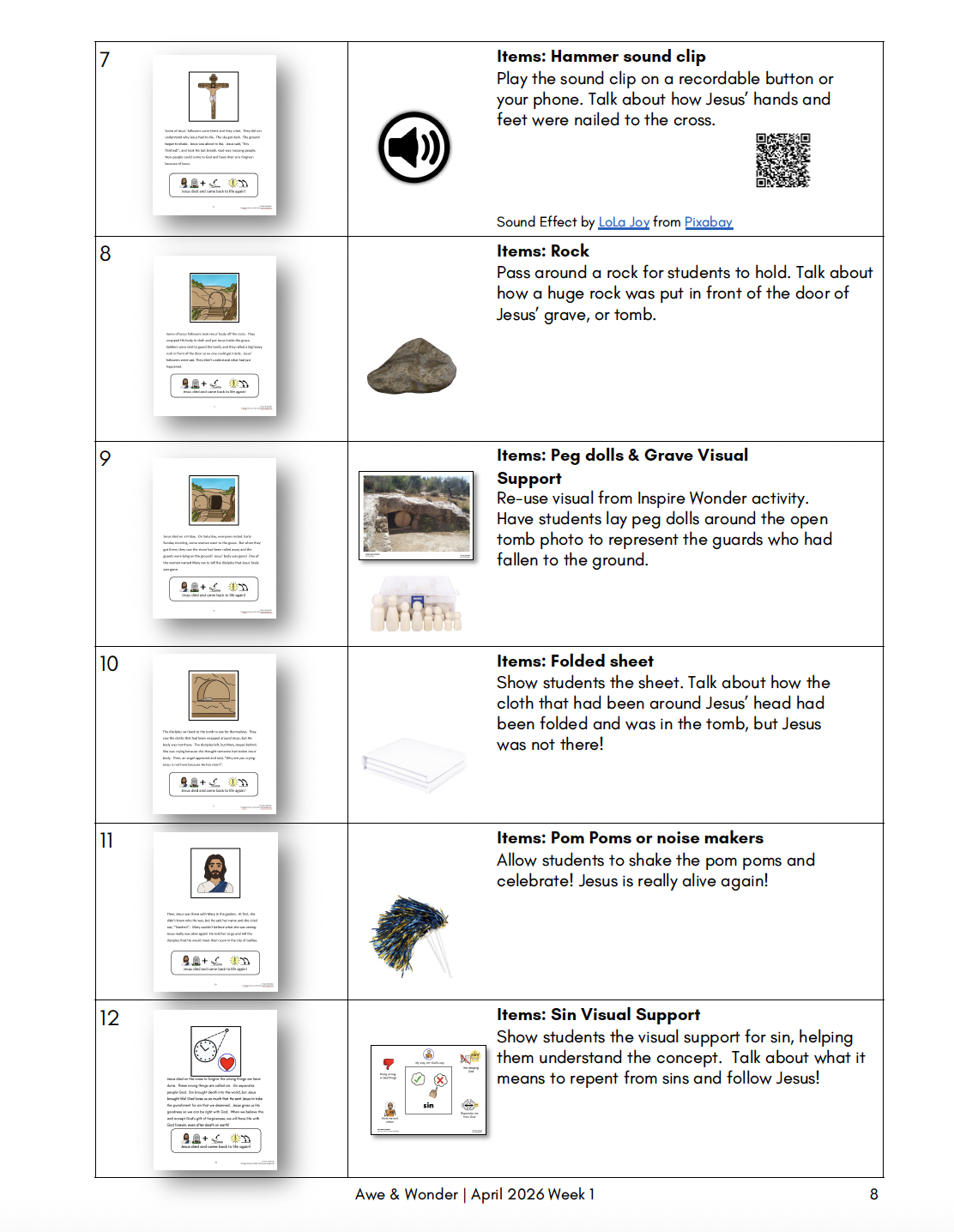
Here's a quick look at a sensory storytelling guide from the Easter lesson in Awe & Wonder's curriculum. Each lesson plan includes a chart like this one!
For more tips on Multi-sensory Storytelling, you can download a FREE handout here!